Air Duct Cleaning in Littleton, CO
Whole-system air duct cleaning, dryer vent cleaning, furnace cleaning, commercial cleaning, coil cleaning, and duct repair and sealing in Littleton, Colorado — inspection first, the whole system under negative air, and before-and-after camera proof.
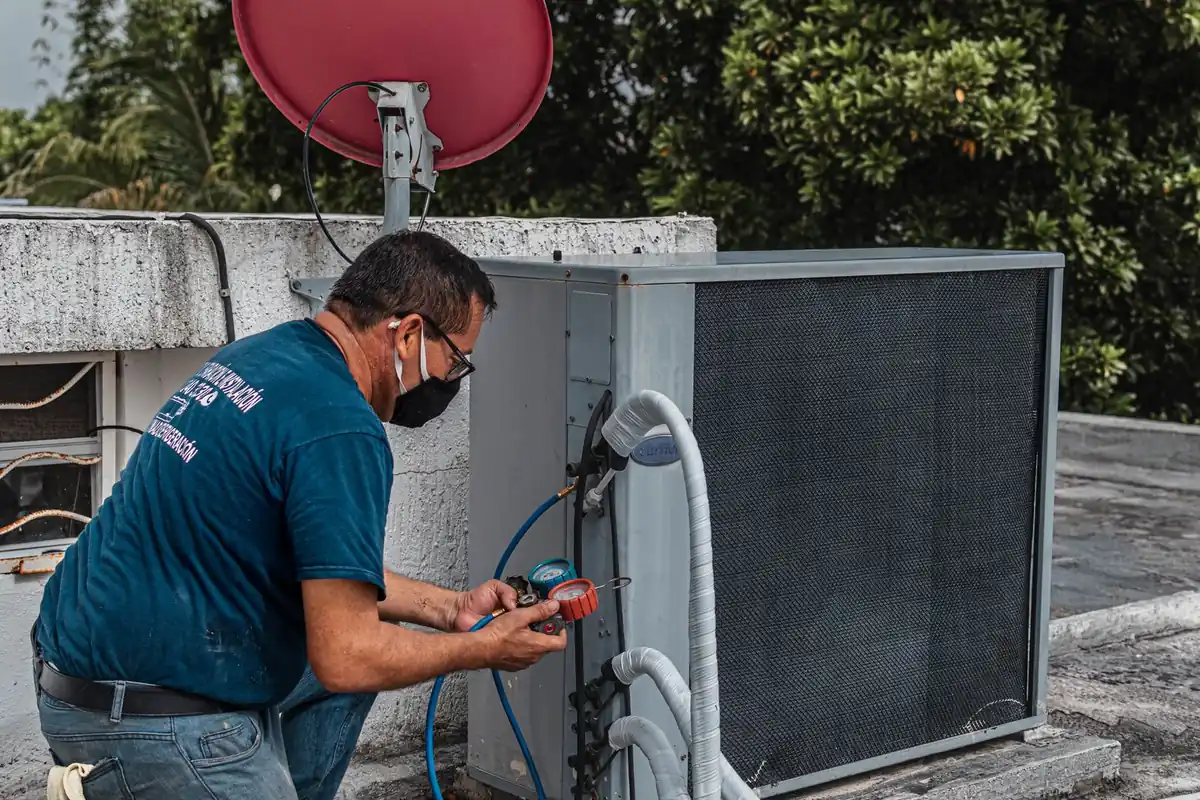
What this page covers: Air duct cleaning, dryer vent cleaning, and furnace cleaning in Littleton, Colorado — plus air conditioner and evaporator coil cleaning. This page answers the question homeowners ask first — is duct cleaning worth it here — and explains what a proper cleaning includes, how often it is needed in Colorado's dry climate, and how calling works.
Published 2026-11-14 · Last updated 2026-11-14
Is air duct cleaning worth it in Littleton, CO?
Air duct cleaning is worth it when an inspection finds something specific to remove — visible mold, vermin, or ducts clogged with debris. On a new, well-sealed system with regular filter changes, routine cleaning adds little. The EPA does not recommend cleaning on a fixed schedule; clean only when the ducts need it.
The U.S. Environmental Protection Agency (EPA) states that air duct cleaning has never been shown to actually prevent health problems, and the EPA does not recommend that air ducts be cleaned routinely, but only as needed. The EPA also certifies or endorses no duct-cleaning companies. That position is the honest starting point for every page on this site.
The EPA names three cases where cleaning is warranted: substantial visible mold inside hard-surface ducts or on other heating and cooling system components; ducts infested with vermin such as rodents or insects; and ducts clogged with excessive dust and debris, or particles actually being released from the supply registers. Outside those cases, a dirty register alone does not prove the ducts are dirty — dust on a grille is not the same as heavy contamination inside the ductwork.
Littleton sits at about 5,350 feet on the edge of the Front Range, with dry, high-desert air that keeps fine dust airborne longer. Prairie dust, wind, cottonwood pollen in season, and wildfire smoke in summer all end up in filters and ductwork. That is why the question here is not whether Colorado homes get dusty — they do — but whether the dust inside a particular duct system is heavy enough to warrant cleaning. An inspection answers that question; a schedule does not.
When to call
- Visible mold inside hard-surface ducts or on system components
- Signs of vermin in the ducts — droppings, nesting material, or odour
- Dust or debris visibly blowing out of the supply registers
- Clothes taking two cycles to dry — a clogged dryer vent, not a dying dryer
- A burning smell from the dryer, or a furnace smell that lingers past the first day of heat
- A home that has never had its ducts cleaned in 20 to 40 years, with original ductwork
For anything on that list, the next step is an assessment. See the air duct cleaning page for what a proper cleaning includes, the dryer vent cleaning page for vent signs and fire prevention, and the furnace cleaning page for the before-winter window.
Air duct, dryer vent, and furnace cleaning in Littleton, CO
Six services cover the whole air path of a home and the buildings around it — the ducts that carry air, the vent that carries dryer exhaust out, and the furnace that moves the air, plus commercial duct cleaning, AC coil cleaning, and duct repair and sealing.
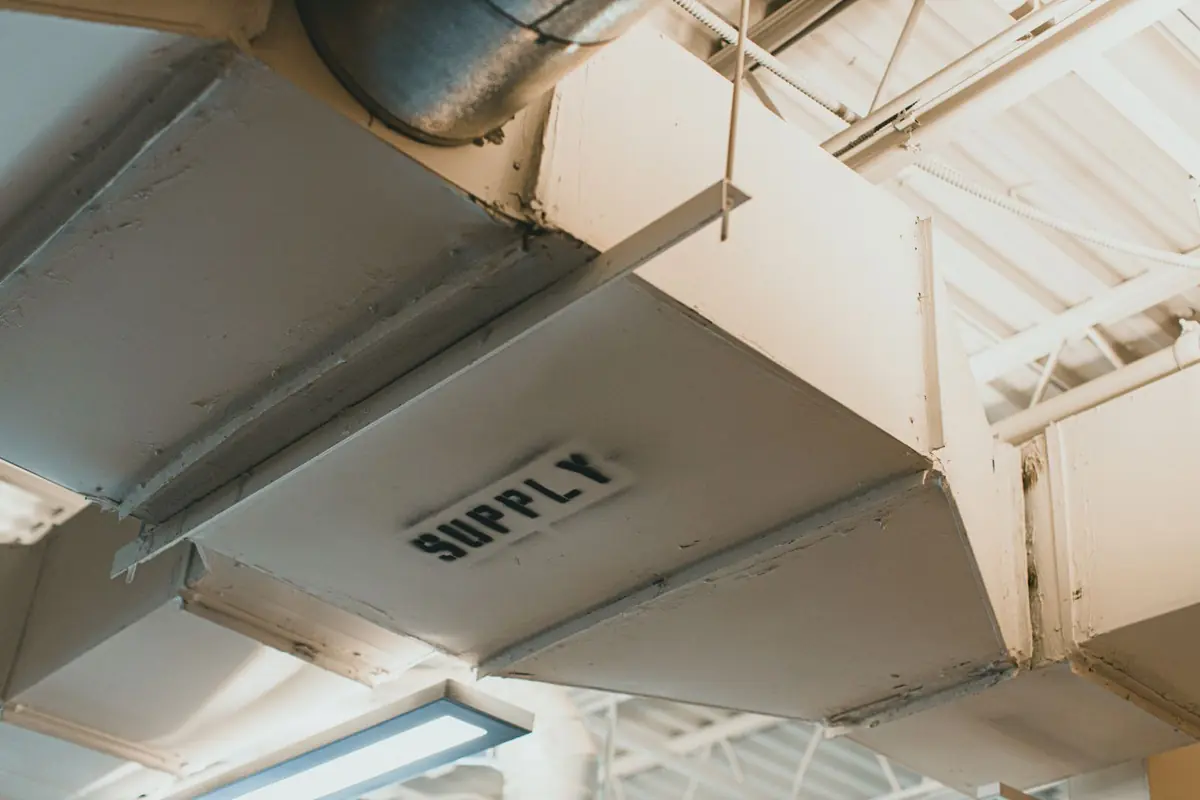
Air Duct Cleaning
Whole-system cleaning of supply and return ducts, trunk lines, registers, and the plenum — not just the visible covers. Includes inspection first, negative-air cleaning, and before-and-after camera proof.
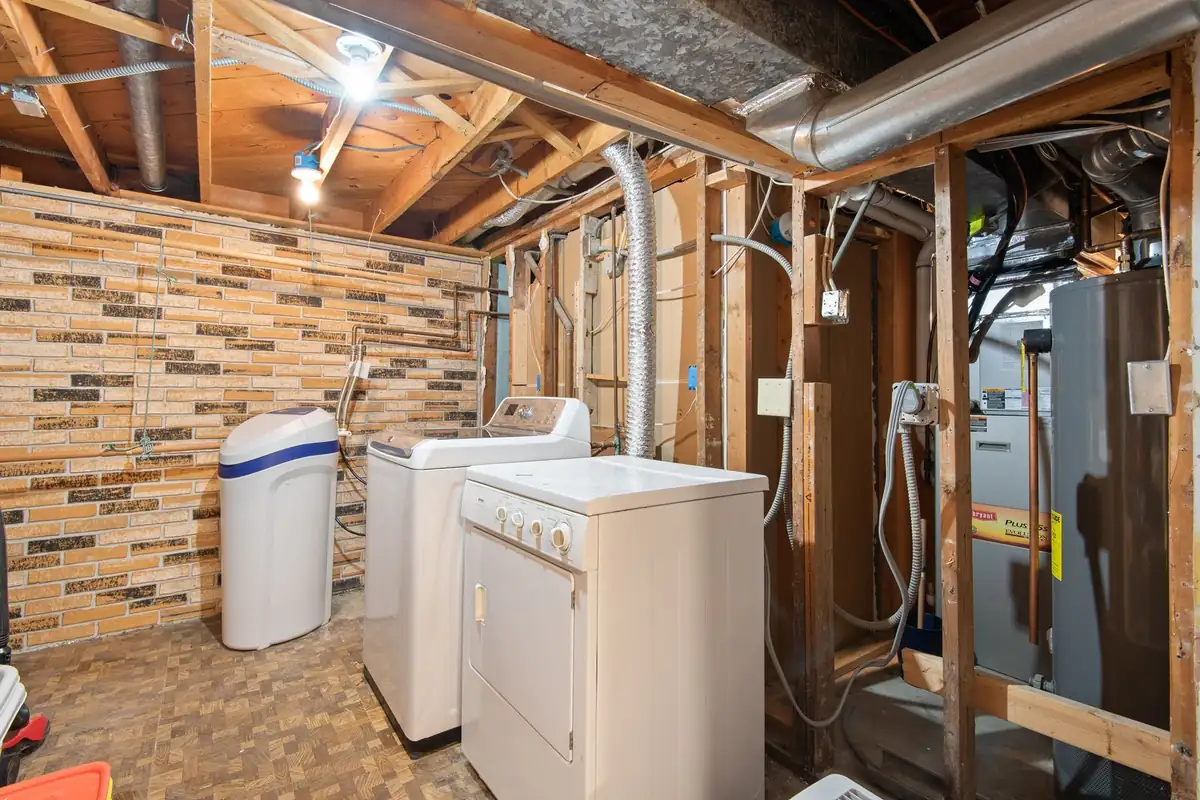
Dryer Vent Cleaning
Lint removal from the full vent run, from the dryer to the exterior cap — including long runs and roof exits. Failure to clean is the leading factor in dryer fires, according to the U.S. Fire Administration.
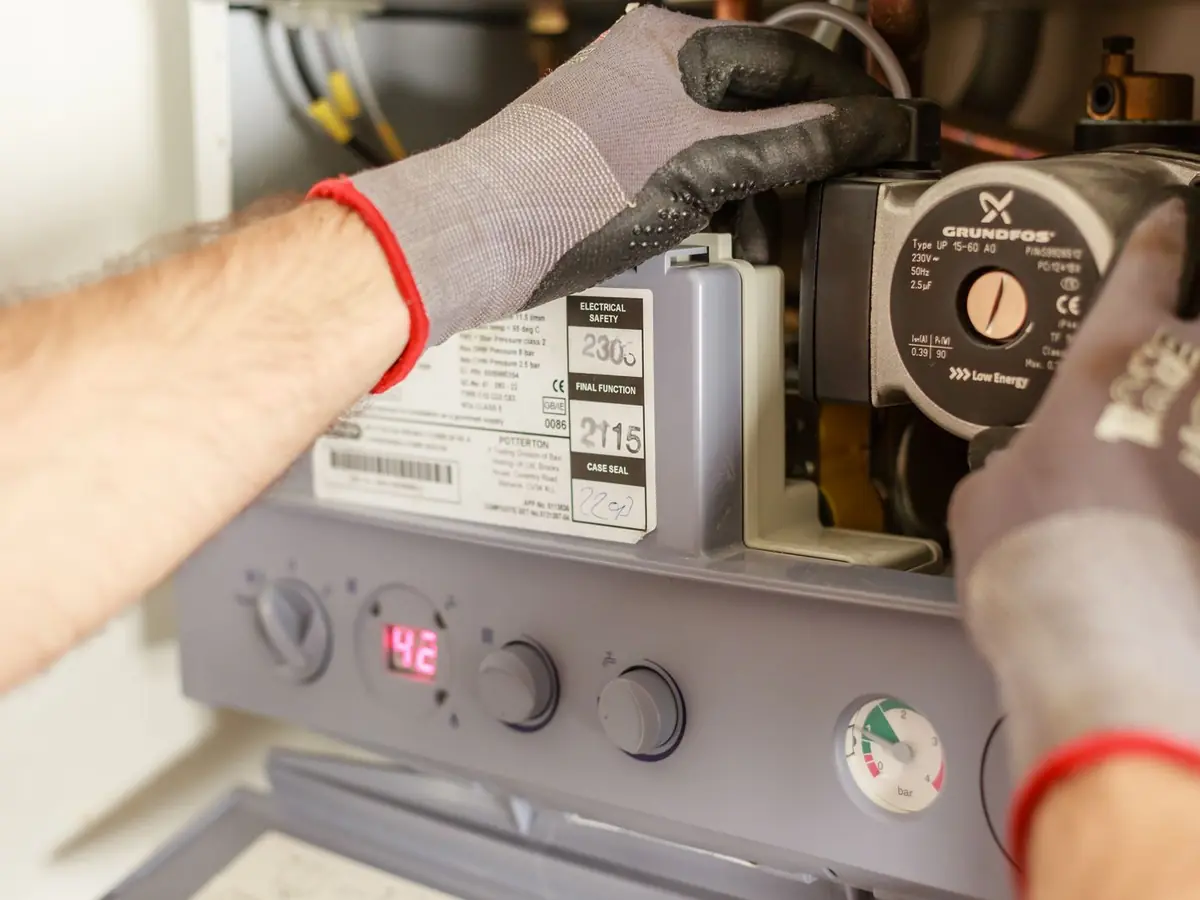
Furnace Cleaning
Cleaning of the blower compartment, blower wheel, coil area, filter area, and visible dust and debris in the furnace cabinet — ideally every year, before heating season.
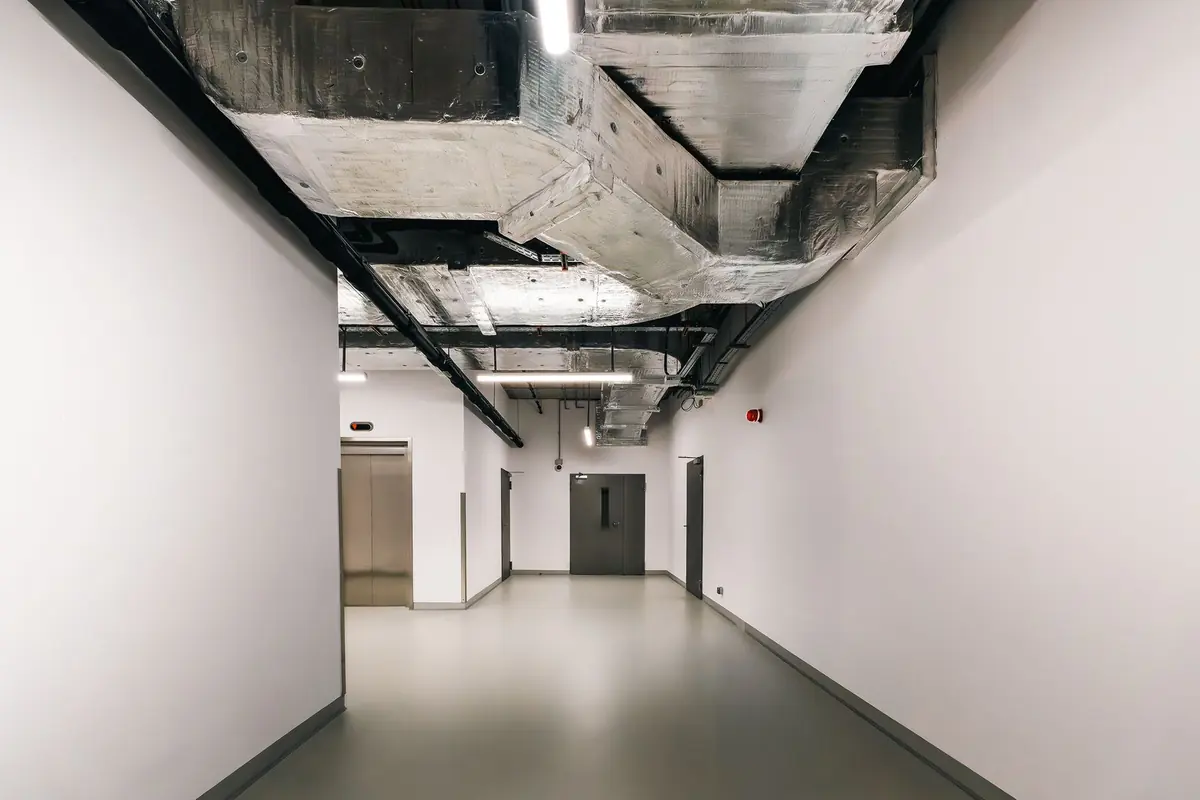
Commercial Air Duct Cleaning
Whole-system duct cleaning for offices, retail, restaurants, schools, and medical buildings — phased so the building stays open, usually scheduled outside business hours.
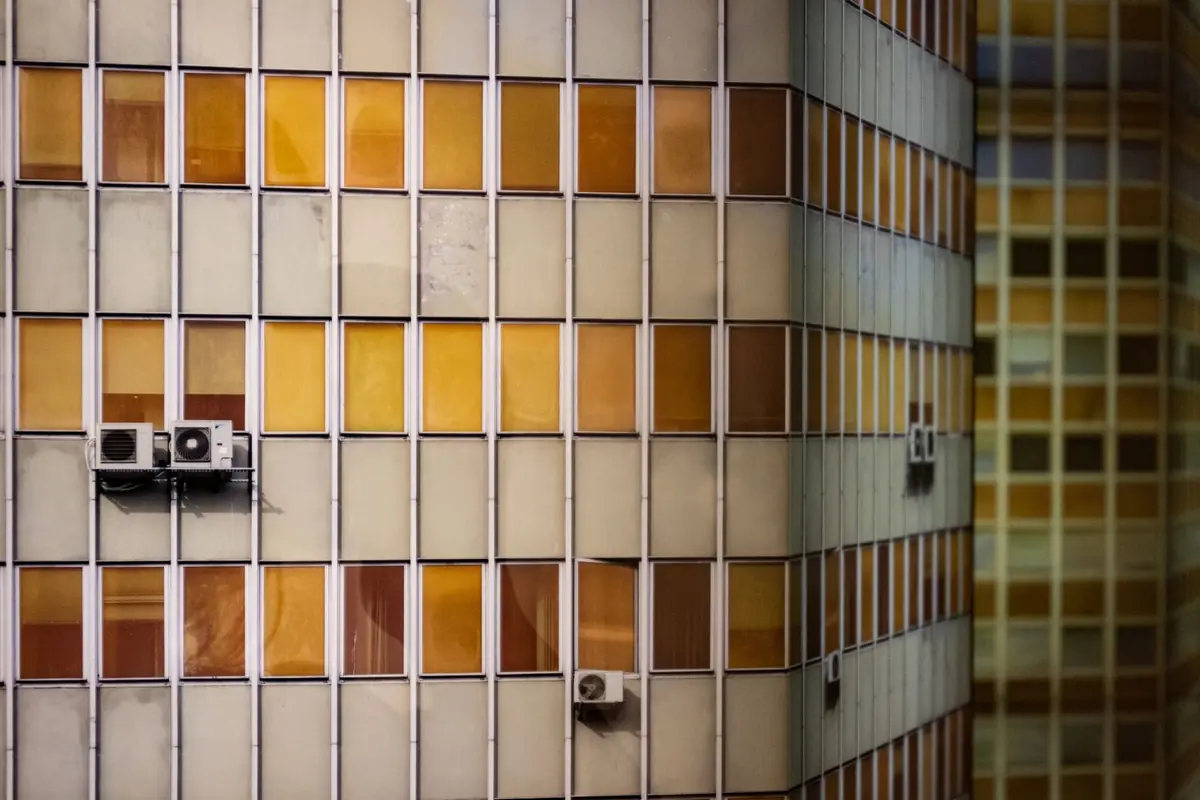
AC Coil Cleaning
Cleaning of the evaporator coil inside and the condenser coil outside. Dirty coils cool poorly, freeze, clog the drain line, and make the blower strain.
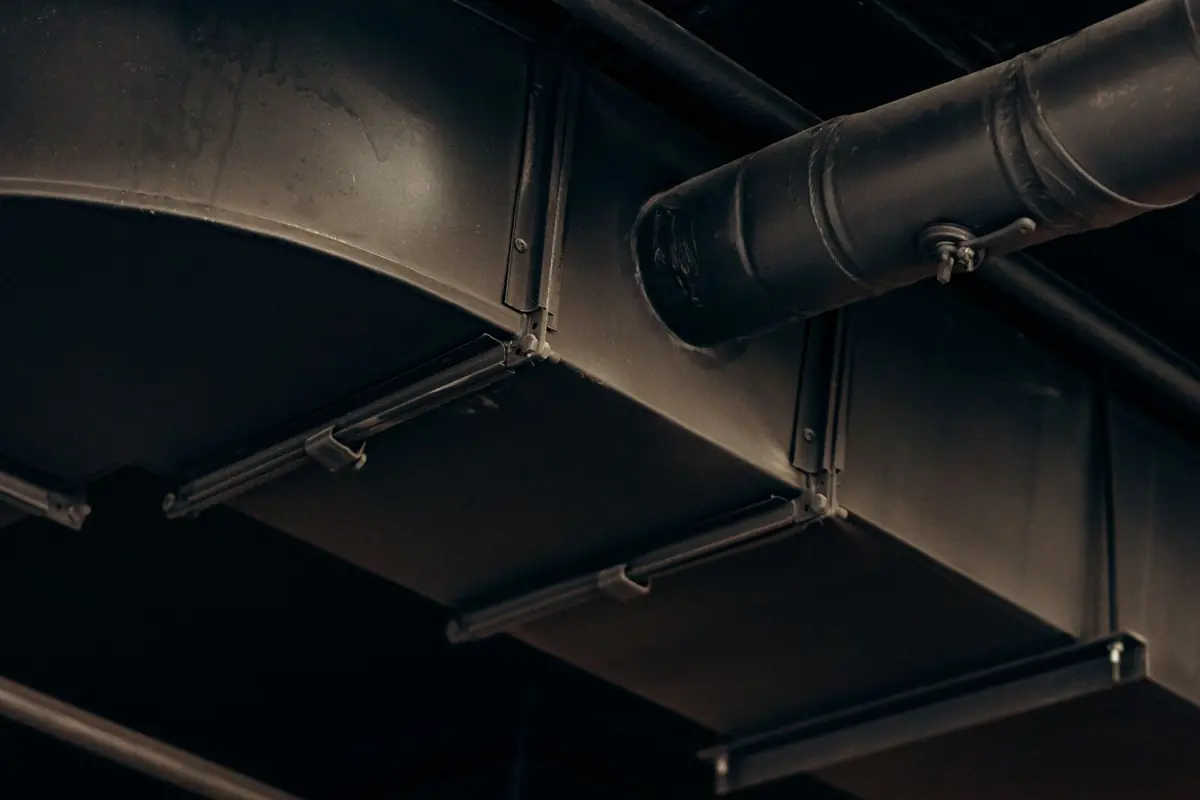
Duct Repair & Sealing
Repair of leaking, disconnected, crushed, and damaged ductwork, and sealing of joints and seams with mastic. Repair comes before cleaning — cleaning a broken duct is wasted work.
Air conditioner cleaning
The evaporator coil sits inside, above the furnace, and the condenser coil sits outside. Dirty coils cool poorly, freeze, clog the drain line, and make the blower strain. Coil cleaning has its own page: AC coil cleaning.
How often should air ducts be cleaned in Colorado?
General guidance is every 3 to 5 years for the average home, sooner with pets, a recent remodel, or wildfire smoke exposure. Colorado's dry air, wind, and smoke can load a system faster than a humid climate. Even so, the EPA caveat stands: clean when an inspection shows buildup, not because a calendar says so.
Condition beats the calendar. A home with two shedding dogs, a recent kitchen remodel, or a summer of wildfire smoke needs an inspection sooner than a new home with one occupant and regular filter changes. The triggers that move a cleaning sooner are concrete: pets in the house, allergy or respiratory symptoms that track with the system running, a renovation that put drywall dust in the ducts, a pest problem, visible mold, or debris blowing from the registers.
Littleton's housing stock makes the question local. Older neighbourhoods such as Columbine Valley, Governors Ranch, and Ken Caryl Ranch have duct systems running 20 to 40 years, some never cleaned. Homes in Highlands Ranch built in the 1990s and 2000s often used fiberglass ductboard and flex duct — a different material from sheet metal, and one that raises a question before aggressive vacuuming. The Highlands Ranch and Columbine pages cover those housing angles in detail.
When to clean sooner than 3 to 5 years
| Trigger | Why it matters |
|---|---|
| Pets in the home | Pet hair and dander accumulate in ducts and return to the rooms |
| Recent renovation | Drywall and construction dust settles inside the ductwork |
| Wildfire smoke season | Fine smoke particulate settles in ducts and re-releases odour |
| Visible mold or vermin | Two of the three EPA-warranted cases for cleaning |
| Never cleaned in decades | Original duct systems in older homes can hold decades of buildup |
| Moving into a new home | Previous occupants, pets, and smoking history are unknown |
What does a proper air duct cleaning include?
A proper cleaning covers the whole system — supply and return ducts, trunk lines, registers, and the furnace — under negative air, with agitation to loosen debris. The vacuum connects to the trunk lines near the air handler, the system is held under vacuum, and debris is pulled to the vacuum rather than blown into the living space.
That definition is also the test for a bad job. A ten-minute pass with a shop vacuum at the register is not a cleaning: no trunk-line connection, no sealing, no agitation, and dust blown into the living room. The pattern homeowners complain about most is a whole-house special advertised at a very low price that cannot cover a real cleaning, followed by an upsell once the technician is inside — mold found in minutes, sanitizing, sealant. A proper job is priced on the system, not on a flyer, and the scope is agreed before work starts.
- InspectA visual or camera inspection of the ducts and the furnace first. Cleaning only when the inspection shows buildup is the honest framing that answers the scam question.
- Set under negative airA high-powered vacuum connects to the trunk lines near the air handler, and the system is held under negative pressure so dislodged debris is pulled to the vacuum.
- Agitate and clean vent by ventCompressed-air and rotating-brush tools break debris loose from duct walls, vent by vent, working back toward the vacuum.
- Clean the furnaceThe blower compartment, blower wheel, and coil area are cleaned as part of the job, so a dirty furnace does not re-contaminate clean ducts.
- Seal access points and verifyAccess points cut for the vacuum are sealed after the job, and before-and-after camera footage is the receipt for the work.
Before-and-after proof is the single most useful thing a caller can ask for. If a provider cannot show the inside of the ducts before and after, there is no way to know the work was done. The full process, including negative air and source removal, is laid out on the air duct cleaning page.
How calling works
Call, describe what was noticed and where, and the call is connected with a local provider who assesses first. The provider inspects, explains what was found, and agrees the scope before any work starts. There is no form on this site and no price printed anywhere — a written quote follows an assessment.
- CallDescribe the service needed, the city and ZIP code, and what was noticed — a smell, dust, two cycles to dry, or a burning smell.
- ConnectedThe call is connected with a local provider serving that area.
- AssessmentThe provider inspects the ducts, vent, or furnace and explains what was found.
- Scope agreedWhat is included is agreed before work starts — including whether the furnace is part of the job.
What helps on the call: the service needed, the city and ZIP code, how long it has been since the last cleaning (if known), and what was noticed. The contact page lists exactly that, and the about page explains how this referral service works.
Serving Littleton and the South Denver area
Littleton is the hub. Four nearby areas have their own pages, each with verified ZIP codes and the same services — air duct cleaning, dryer vent cleaning, furnace cleaning, commercial cleaning, coil cleaning, and duct repair and sealing.

Centennial, CO
Air duct cleaning in Centennial, CO — no dedicated competitor page exists for this city. ZIP codes 80015, 80016, 80111, 80112, 80121, 80122.

Englewood, CO
Air duct cleaning in Englewood, CO — no dedicated competitor page exists for this city. ZIP codes 80110, 80111, 80112, 80113.
Highlands Ranch, CO
Air duct cleaning in Highlands Ranch, CO, including the fiberglass ductboard question in 1990s and 2000s homes. ZIP codes 80126, 80129, 80130, 80163.

Columbine, CO
Air duct cleaning in Columbine and Columbine Valley, CO, where many homes still run original duct systems 20 to 40 years old. ZIP codes 80123, 80128.
Littleton ZIP codes:
- 80120
- 80123
- 80127
- 80128
Ken Caryl is covered as a section on the air duct cleaning page and on locations — two competitors already run dedicated Ken Caryl pages, so there is no separate Ken Caryl page in this release. The full ZIP table, including shared ZIP codes, is on the locations page.
Frequently asked questions
The six questions homeowners ask most. The full list — including the bait-offer pattern, the EPA-certified myth, and the furnace-versus-tune-up distinction — is on the FAQ page.
Is air duct cleaning worth it in Littleton, CO?
It depends on what is inside the ducts. Cleaning is worth considering when an inspection shows a specific problem — visible mold, vermin, or ducts clogged with debris. On a new, well-sealed system with regular filter changes, routine cleaning adds little. The EPA position is clear: clean only as needed, not on a fixed schedule.
How often should air ducts be cleaned in Colorado?
General guidance from the National Air Duct Cleaners Association (NADCA) is every 3 to 5 years for the average home, sooner with pets, a recent remodel, or wildfire smoke exposure. The EPA adds the caveat that matters most: condition beats the calendar, and cleaning is only warranted when there is something to remove.
What affects the cost of air duct cleaning in Littleton?
System size, the number of vents and systems, how easy the ductwork is to reach, the condition of the ducts, and any add-ons such as dryer vent cleaning or sanitizing. No price is printed on this site. A written quote follows an assessment, and getting written quotes from at least three providers is the EPA advice.
Can air duct cleaning remove wildfire smoke smell?
Cleaning removes settled smoke particulate from the ductwork itself, which can reduce the smell that returns each time the system runs. Smell held in furniture, fabrics, and walls needs more than duct cleaning. After a heavy smoke week, check the filter more often and change it when it is loaded.
What are the signs of a clogged dryer vent?
Clothes that take two cycles to dry, clothes hotter than usual at the end of a cycle, a burning smell, lint around the machine, and an outside flap that barely opens. The U.S. Fire Administration reports that failure to clean is the leading factor in dryer fires, at about 1 in 3.
Should the furnace be cleaned before winter in Littleton?
Yes — early fall is the seasonal window, before the furnace starts cycling every day. A furnace cleaning covers the blower compartment, the blower wheel, the coil area, the filter area, and visible dust and debris in the cabinet. Cleaning is different from a tune-up, which is a mechanical inspection and adjustment.
Start With an Assessment
Call and describe what was noticed, where it was noticed, and when it was first noticed. A local provider assesses first, then lays out the next steps clearly — no guesswork, no pressure.